

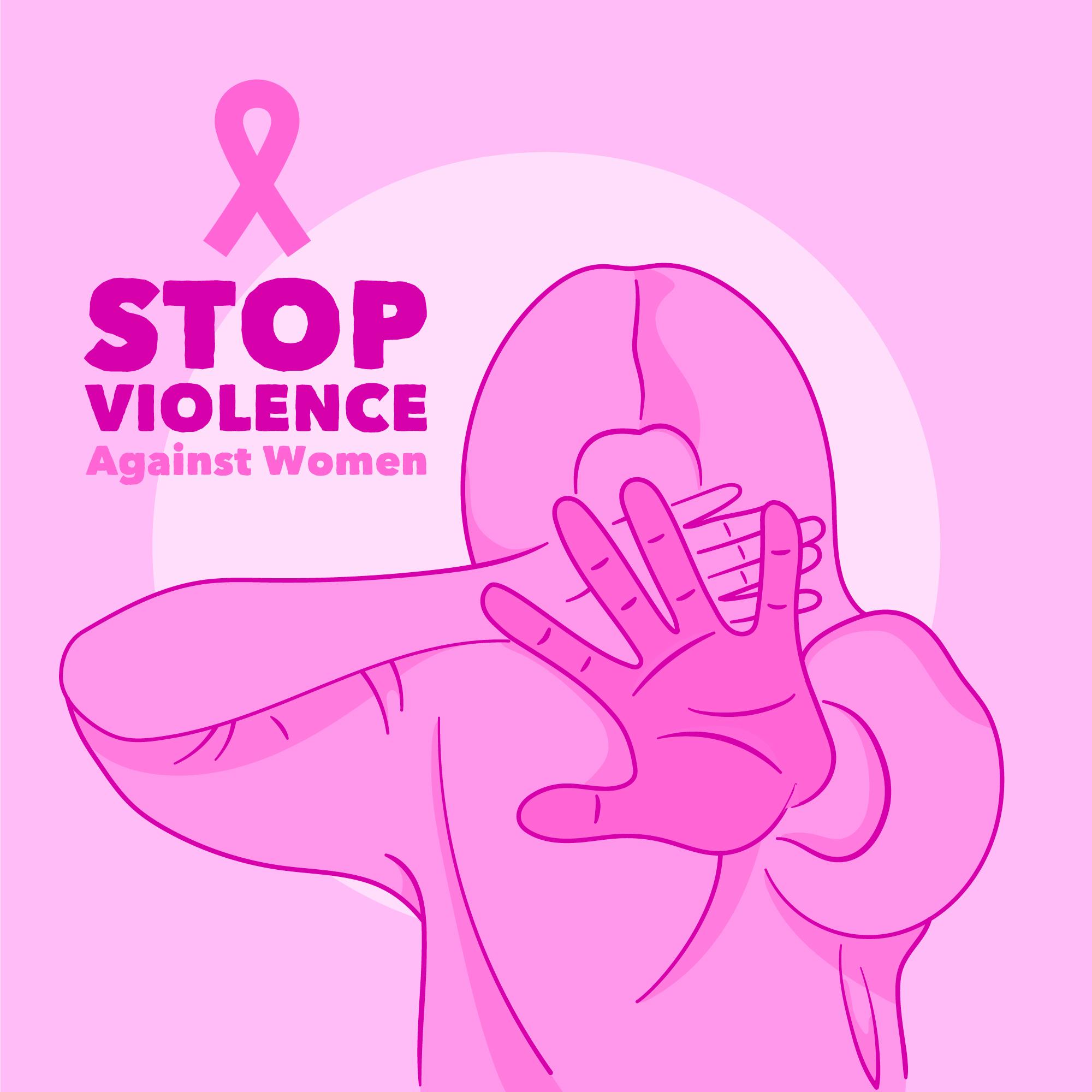

Guys, so I was scrolling through TikTok the other day, you know, just mindlessly flipping through videos, when my feed turned purple. Literally, everywhere I looked, purple. People changing their profile pictures, clips of protests, snippets of speeches. At first, I thought it was some aesthetic trend, but then I realized this wasn’t just a look. This was a movement. This was the purpose. This was the Purple Campaign against gender-based violence.
The movement started in South Africa with a group called Women for Change, and their message is clear: the epidemic of GBV and femicide cannot be ignored any more. They’re calling for awareness, solidarity, and action, not just hashtags or posts, but real, visible, uncomfortable action. They’d asked people to change profile pictures to purple, wear black as a sign of mourning, and even lie down for 15 minutes at noon to symbolize the women lost to gender-based violence. There’s also a call to make the world feel the weight of this crisis economically, by refusing to spend for a day. The symbolism is hard, bold, and intentional.
Awareness without action is useless.
Why purple? Because purple has always been a colour of dignity, resistance, and solidarity. Historically, it’s tied to movements fighting for women’s rights. Today, it’s a shout, a visual punch in the face to society: this is not okay. It’s not just a colour, it’s a statement. A stand against femicide, assault, harassment, and the silence that allows it all to thrive.
Scrolling through TikTok, seeing people from all over Africa join in, from Kenya to Ghana to Nigeria, made me realize how far a simple symbol can reach. The movement asks uncomfortable questions, like why society turns a blind eye to victims and whispers about perpetrators instead. As one activist said, “If we can’t talk about the pain, we are part of the problem.” It reminded me how powerful it is to confront things we’d rather not think about.
This is why the Purple Campaign matters. It’s a reminder that awareness without action is useless. It’s a demand that we face reality, that we honour survivors, that we fight systemic issues. It’s loud and public and uncomfortable, and that’s exactly the point.
If we can’t talk about the pain, we are part of the problem
At the heart of it, the campaign is about visibility. About refusing to let GBV remain in the shadows while victims carry the pain silently. It’s about using your voice, your platform, your scroll, and your presence to say: we see you, we hear you, we stand with you. And honestly, seeing that wave of purple, seeing people talk openly about harassment, assault, and the uncomfortable truths, it gave me hope. Because conversations are powerful. Awareness is powerful. And movements like this? They remind us that we cannot be silent any more, not about GBV, not about pain, not about injustice. Purple is more than a colour now, it’s a call to action, a collective heartbeat across continents.


