


Over 150 Community Leaders Gather for Mental Health Training in Ngaru

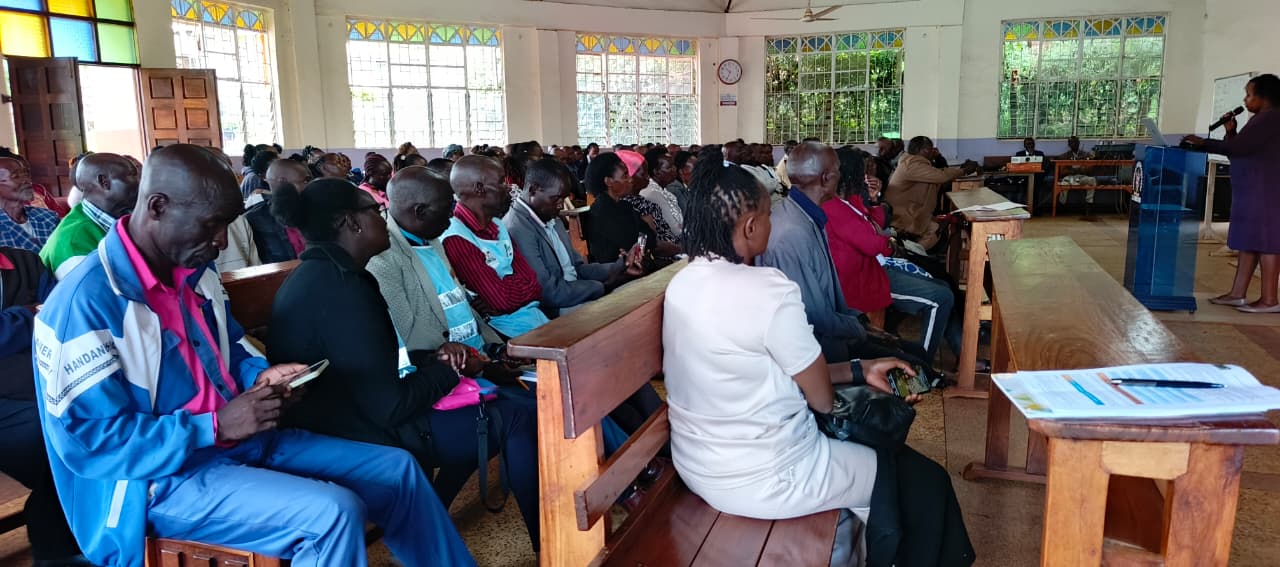
On Saturday, 2nd May 2026, the Healing is Possible (HiP) campaign opened its doors in Ngaru Location, Kerugoya — and the community showed up. More than 150 leaders gathered for a dedicated Community Leadership Training, facilitated by a strong panel of practitioners and advocates. The training, delivered under the campaign theme “Turning Awareness into Action,” was a success by every measure.
Why Leaders, and Why Now?
Community leaders — village elders, youth patrons, women’s group chairs, church leaders, school heads, and local administrators — are often the first point of contact when someone is struggling. They mediate conflict, offer counsel, and sit with neighbours in their lowest moments. Yet many do so without a framework, without language for what they are seeing, and without any structure for their own wellbeing.
The HiP 2026 training was designed precisely for this gap. If the community is to heal, those who hold it must first understand what healing requires.


Community leaders from across Ngaru Location fill the hall — 2 May 2026
What the Training Covered
The day was structured around three core pillars, each delivered by a specialist practitioner and building on the last.
Understanding Mental Health
Vincent from Convo Africa opened the training with an introduction to mental health and common mental health problems — moving beyond surface definitions to build genuine, working literacy. Leaders explored what mental health actually means: not a clinical concept reserved for hospitals, but a lived reality present in every household and family. Participants engaged with real frameworks for recognising distress, naming it accurately, and responding with intention rather than instinct. The goal was not to turn leaders into therapists, but to give them the vocabulary and the confidence to hold space — and to know when and how to connect someone to professional support.
Substance Use as a Mental Health Issue
Catherine from NACADA Kirinyaga, accompanied by representatives from KCNTRL and KADA, tackled one of the most misunderstood and stigmatised areas in community mental health. Rather than approaching substance use through a moral or punitive lens, she and her colleagues equipped leaders with an evidence-based framework that centres compassion over condemnation. Participants explored the relationship between substance use and underlying mental health struggles, and discussed what community-level support looks like when it prioritises dignity and recovery over shame and exclusion. For many in the room, this reframing was genuinely new — and visibly impactful.
Demystifying Stigma and the Leadership Role
Peris from Pillar for Mental Health Support delivered what was perhaps the most personally resonant session of the day. She challenged common misconceptions that surround mental health in community settings, addressing how stigma operates — and particularly how it operates on those in leadership positions, who often feel pressure to appear strong and unmovable. This session helped participants recognise their own mental health needs and begin building practices to sustain themselves in their roles. It was a moment of rare candour in a context that rarely makes room for it.

Leaders taking notes — a room that came to learn
“When you create the right space, communities do not shy away from these conversations. They lean in.”
The Moment That Defined the Day
Over 150 leaders came. That number is not merely an attendance figure — it is a statement. It reflects the appetite that exists within the Ngaru community for a serious, grounded conversation about mental health. It reflects trust in the HiP campaign and in the leadership of Chief Bethroser of Ngaru Location, whose co-signing of this campaign has been instrumental in mobilising that trust.
The multi-disciplinary panel — bringing together mental health, substance use, and community development expertise — made for a training that was both broad and deep. Leaders left not just informed, but equipped.
What Comes Next
The Community Leadership Training is the foundation on which the rest of HiP 2026 builds. Throughout May, Ngaru will see a full programme of activity:
Free Mental Health Clinics
Three community clinics providing accessible mental health support across the month.
Youth Art Caravan & Mural Day
A creative celebration of healing — featuring a permanent community mural as a legacy asset for Ngaru.
Sweat for Your Sanity Community Walk
The flagship event of HiP 2026, targeting over 1,600 participants — making the link between physical movement and mental wellbeing visible and joyful.
The work has begun. The leaders are equipped. And the community is ready.


