


Quick answer
- Adult ADHD often looks like chronic disorganisation, procrastination, forgetfulness and a restless mind, not visible hyperactivity.
- It spans three areas: attention and focus, impulsivity and emotional regulation, and organisation and time management.
- It’s commonly missed until adulthood, especially in people who compensated well at school.
- A proper assessment, not a quiz or a TikTok checklist, is the only way to know for certain.
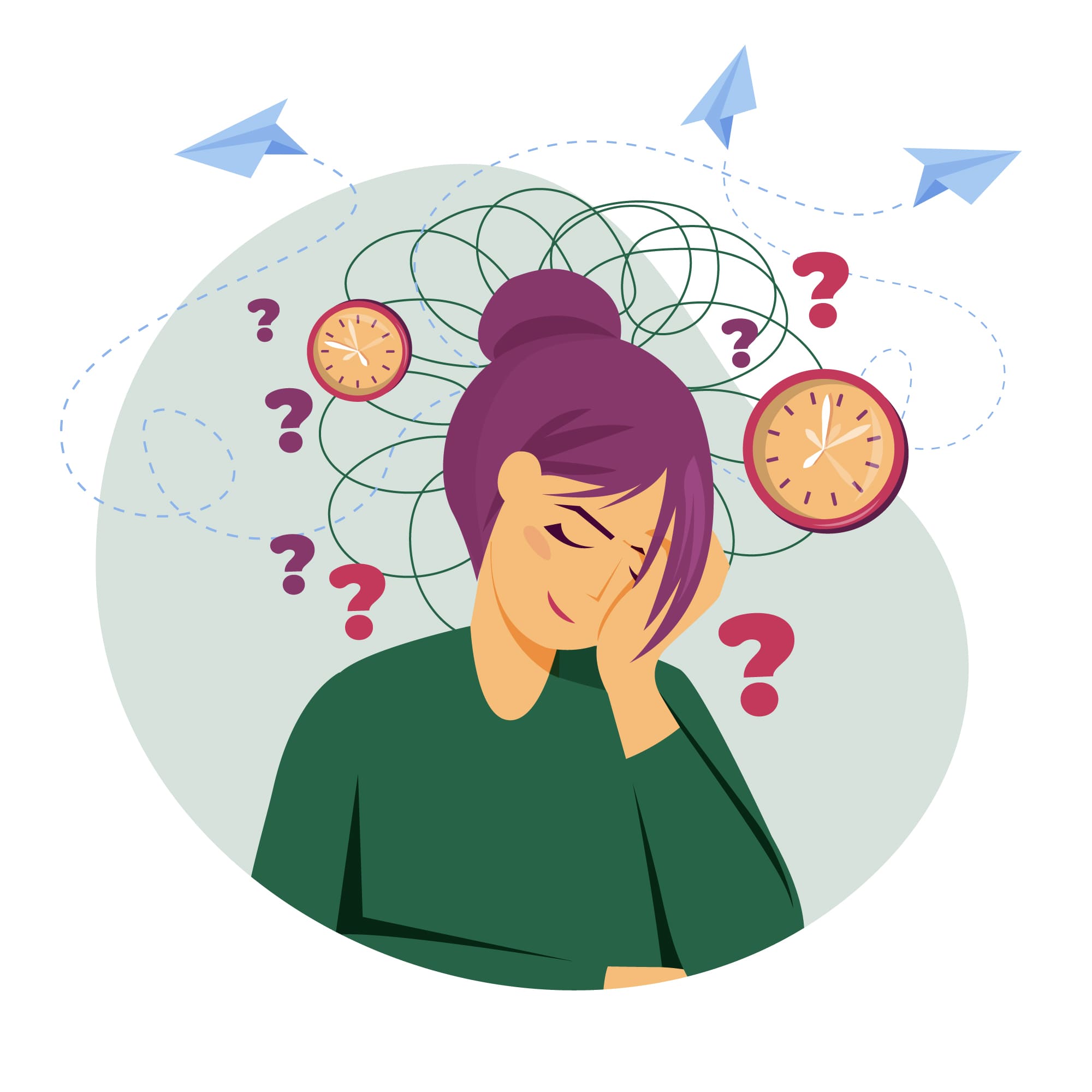
For a lot of adults, the question isn’t “do I have ADHD,” it’s “why has everything always felt harder than it seems to for everyone else?” Years of missed deadlines, half-finished projects and being called lazy or scattered can quietly wear a person down, long before anyone considers that the explanation might be neurological rather than a character flaw.
What adult ADHD actually looks like
The hyperactive child bouncing off the walls is the image most people carry, but adult ADHD usually looks quieter than that, and easy to mistake for anxiety or ordinary disorganisation. It spans three connected areas.
Attention & focus
- Mind wanders mid-conversation
- Trouble finishing what you start
- Hyperfocus on things that interest you
Impulsivity & emotion
- Speaking or spending before thinking
- Emotions that feel bigger than the moment
- Frustration that flares quickly
Organisation & time
- Chronic lateness or losing track of time
- Cluttered space, cluttered inbox
- Starting many things, finishing few
Where it tends to show up
Why it’s so often missed until adulthood
Many adults compensated well enough at school, through intelligence, structure imposed by parents or teachers, or sheer effort, that nobody flagged anything at the time. It’s also common for a parent to only recognise their own ADHD after a child gets diagnosed, seeing decades of their own patterns reflected back at them for the first time. Because the inattentive form doesn’t come with visible hyperactivity, it’s frequently mistaken for laziness, low motivation, or simply not trying hard enough.
Struggling with focus for twenty years isn’t proof of low willpower. Sometimes it’s proof that no one ever named what was actually going on.
Self-checklist vs proper assessment
Getting assessed in Kenya
An adult ADHD assessment typically involves a clinical interview covering childhood history and current functioning at work, at home and in relationships, often alongside standardised rating scales. Convo e-Therapy connects you with licensed Kenyan professionals who can guide you through what that process actually involves and what happens afterwards.
Common questions
What does ADHD look like in adults?
Often chronic disorganisation, trouble starting or finishing tasks, losing track of time, forgetfulness, impulsive decisions, and a restless or racing mind, rather than the visible hyperactivity people associate with children.
Can ADHD be missed until adulthood?
Yes, particularly in people who compensated well at school, or whose symptoms are more inattentive than hyperactive. Many adults are only assessed after a child’s diagnosis prompts them to recognise the same patterns in themselves.
Is it possible to have ADHD without being hyperactive?
Yes. The inattentive presentation involves distractibility, forgetfulness and difficulty organising tasks, with little or no visible hyperactivity, and is often under-recognised as a result.
How is adult ADHD assessed in Kenya?
Through a clinical interview with a qualified professional, usually covering childhood history, current functioning across work and relationships, and standardised rating scales, rather than a single test.
Where to go from here
Depending on what you need right now, here’s where to look next.
ADHD Hub
Every article, tool and resource on ADHD in one place.
Self-checkTake the ADHD screening
A short, confidential check-in, five minutes.
Talk to someoneFind a professional
Licensed Kenyan professionals who assess and support ADHD.
For supportersPsychological First Aid course
Learn to support someone else well, practically and safely.


