

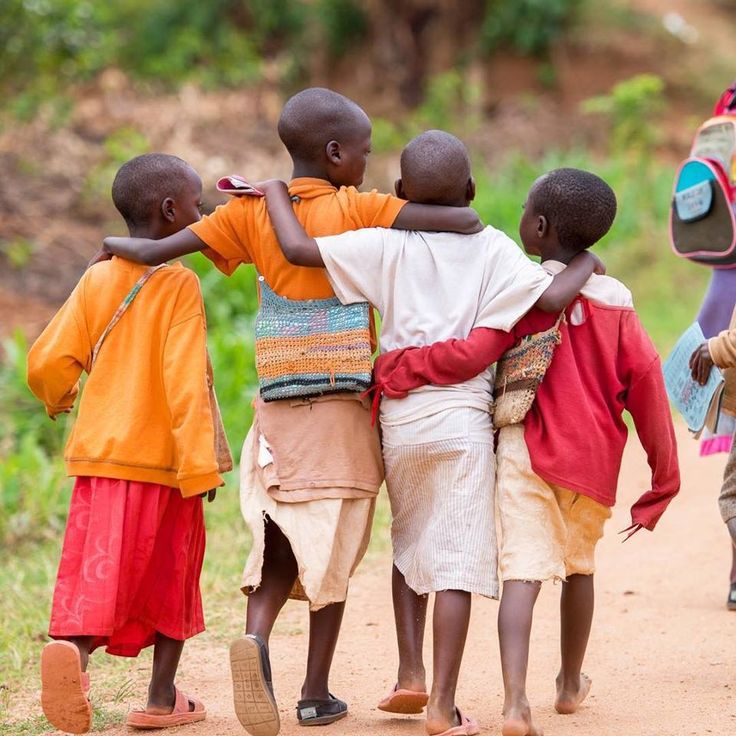

Understanding Our Shared Humanity
In a world full of different experiences and perspectives, cultivating compassion and connection is more important than ever. This article delves into key concepts such as cognitive reappraisal, fundamental yearning, and the value of empathy, all while emphasizing the importance of recognizing differences and shared humanity in our interactions.
Cognitive Reappraisal
Cognitive reappraisal is a strategy for altering emotional responses to a situation by changing our thoughts about it. It demonstrates how our perceptions of circumstances frequently shape our emotions. Reappraisal improves emotional regulation and promotes a positive outlook, resulting in more compassionate interactions.
Fundamental Yearning
Every person’s deepest desire is to be happy and avoid suffering. This universal yearning unites us all. Recognizing this shared desire allows us to create a more compassionate environment in which people feel valued and understood. This acknowledgement promotes resilience and overall well-being by addressing the desire for fulfillment in all aspects of life.
Empathy and Its Benefits
Empathy is essential for promoting social harmony. It closes the gap between self-interest and collective well-being. We can create a more harmonious society by broadening our Circle of Concern and empathizing with more people. Empathy should be viewed not as an emotion, but as a skill that deepens our interactions and promotes mutual understanding.
Respecting Identities While Finding Commonalities
To foster compassion, we must use inclusive language that acknowledges different identities. Intersectionality is important: understanding that people have multiple, intersecting identities allows us to empathize deeply. Activities that raise awareness of various lived experiences foster empathy and appreciation for diverse viewpoints. This recognition is critical for building an inclusive community.
Subjective and Fluid Nature of Categories
It’s critical to acknowledge the subjectivity in how we categorize people. Our perceptions are shaped by personal experiences and can shift over time. Strangers can become friends, and vice versa. This fluidity emphasizes the importance of open-mindedness, which allows for genuine connections with others and the removal of barriers created by rigid categorizations.
Expanding Identification with Others
Becoming aware of our biases allows us to view others more objectively. By emphasizing shared human experiences, we can build connections with people we may initially misunderstand or dislike. Emphasizing our common humanity, which acknowledges that everyone has basic needs and desires, can help to bridge gaps and foster solidarity.
Not Ignoring Differences
Recognizing our shared humanity is important, but so is valuing our differences. Embracing diverse perspectives is essential for healthier interactions and deeper connections. Celebrating what makes us unique allows us to gain a better understanding of one another and strengthen community bonds.
Conclusion
In an interconnected world, cultivating compassion and connection is critical to navigating diversity. We can create a more harmonious and compassionate society by implementing strategies such as cognitive reappraisal, empathy cultivation, and respect for both differences and similarities. Embracing shared humanity while valuing individual identities leads to stronger connections and a more compassionate world.
Let us take the time to practice empathy, acknowledge our common humanity, and appreciate the diversity that surrounds us. By doing so, we can help to create a compassionate and connected world for all.


