



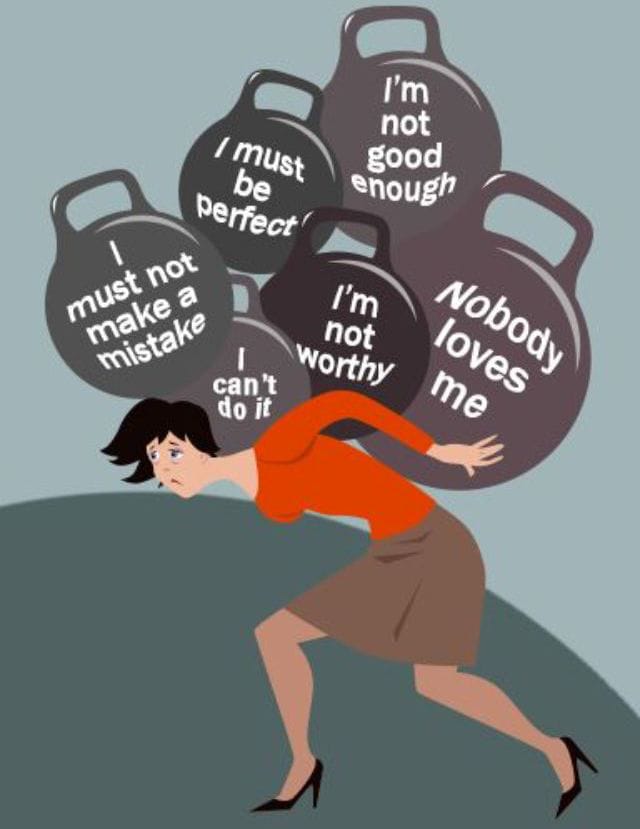
I’ve been sitting with a question for a while now: Why do some people struggle to say, “Yes, I deserve that”, whether it’s a friendship, an opportunity, or a job, while others say it so naturally?
Recently, we had a discussion about self-esteem, and it made me realize how differently people experience it.
Self-esteem is more than just confidence. It’s the beliefs, values, and sense of love we attach to ourselves. And it doesn’t come from nowhere. Our parents, peers, environment, and experiences shape us over time, either positively or negatively.
During that discussion, one person shared that his self-esteem had been strongly shaped by his parents. From a young age, they constantly affirmed him: “You’re confident. You can do it. You deserve that.” I asked him if there had ever been a moment where he questioned whether he was worthy of an opportunity or a relationship. He paused, tried to think about it, and then said, “No. I can’t remember a time like that.”
wow.
He went on to say that even though his parents affirmed him, it was still up to him to internalize those words; to cultivate those beliefs within himself. That, he said, is why he has never seen himself as unworthy.
When I compare that to my own experience growing up, the difference is striking. I don’t remember being positively affirmed just for being me. If praise came, it was usually tied to achievement, especially in school. Outside of that, the words I heard were different: “You’re useless.” “I didn’t pay school fees for you to go warm a chair.” “You come home, eat, and forget you need to focus.”
My affirmations were conditional. And for a long time, I met those conditions. I performed well in school almost all the time, except once in high school when I scored a C minus. I remember my sister warning me that our caregivers would pluck our heads off. When we got home, no one asked how school was. The first question was, “How did you perform?” I showed them my results, and I remember that day clearly. I was told I would be beaten because I had gone to school “to joke.” I cried after that.
Then came my final exams. The expectation was clear: if I didn’t get a B or above, I would have to repeat. I passed. I made it to university. Even now, I continue to get good grades. But at the time, I didn’t understand what all of that was doing to me.
That pattern followed me into other areas of my life; my relationships, my friendships, even how I approach my work. I found myself believing that I always had to give something to be appreciated, to be seen, to keep people around. Many people assume self-esteem develops in high school, when you begin to discover yourself. But in reality, it starts much earlier; at home, when you are still young.
As children, we don’t question what we’re told about ourselves. We absorb it. Then, as we grow older, we become aware of criticism, comparison, expectations, and those early messages begin to shape how we see ourselves.
I’ve found myself walking into spaces I worked hard to enter, only to pause and ask, “Do I really deserve to be here?” But the truth is, I was already there. I didn’t perform for someone’s approval. I showed up, did the work, and was recognized without conditions. and this realization is still new to me.
What I’m learning now is this: even when our environment shapes us negatively, it doesn’t have to define us forever. At some point, the responsibility shifts to us to figure out how not to drown in those early narratives. To unlearn what limited us. To discover our potential without someone else setting the boundaries. To stop tying our worth to performance or material things. And most importantly, to build a sense of self that is rooted in something deeper, something that says, without hesitation, “Yes, I deserve that.”


