



Mental Health in Kenya: Why More People Are Seeking Professional Support

Five years ago, telling a Kenyan workmate “I’m seeing a therapist” might have been met with an awkward silence. Today, it’s increasingly likely to be met with a follow up question, “Which one? Can you share their contact?”
That shift, small but real, is happening across Nairobi’s offices, university campuses, churches, and WhatsApp groups. Kenya is living through a quiet but unmistakable change in how its people talk about, and act on, their mental health.
It’s also a country with a sobering reality behind that change. Government and youth sector research estimates that between 5 and 10 million Kenyans, roughly 10 to 20% of the population, live with a mental health condition such as depression, anxiety, a substance use disorder, bipolar disorder, or schizophrenia. Yet the same research notes that mental health services receive a fraction of the national health budget, far short of what the World Health Organization recommends for low income countries.
“We used to think therapy was for people who had lost their minds. Now I see young people in my own family booking sessions the way they’d book a doctor’s appointment. That change happened in less than a decade.”
So why are more Kenyans now stepping forward to ask for help, what’s still standing in their way, and what needs to happen next? Here’s what the evidence, and our own work at Convo Africa, tells us.
1. Changing Attitudes, The Stigma Is Cracking, Not Gone
Stigma around mental illness in Kenya hasn’t disappeared, but its grip has loosened. A few forces are driving this:
- A generational shift. Younger Kenyans, particularly Gen Z and millennials, are more willing to name what they’re experiencing (burnout, anxiety, depression) rather than dismiss it as “just stress” or a spiritual failing.
- Public conversations led by media and creators. Newsroom culture itself has started to reckon with this. A Media Council of Kenya report on newsroom wellbeing highlighted that Kenyan institutions have been pushed to develop policies that create healthier working environments and provide staff access to mental health practitioners, citing newsroom teams meeting informally just to talk through burnout, PTSD, and the stress of high pressure assignments.
- High profile research and survey efforts. Studies and youth focused surveys are increasingly asking Kenyans directly about their mental health rather than only inferring it from clinical data, which itself signals a cultural normalising of the topic.
What this means in practice, people are no longer waiting for a crisis to talk about how they’re feeling. Conversations that used to happen only between close friends or family are now happening in workplaces, in church small groups, and online, sometimes for the first time in a family’s history.

“I told my mum I was struggling, fully expecting her to say I should just pray about it. Instead she asked me if I’d thought about talking to someone. That moment changed how I see my whole family.”
2. The Barriers That Still Hold People Back
Despite the shift in attitude, the gap between willingness to seek help and actually seeking it remains wide. Research among Kenyan adolescents found that over half of young people had not even considered seeking mental health support outside their immediate family, and only about 14% had actually sought such help, with friends, relatives, and religious leaders far more relied upon than professional sources. The same research identified two consistent obstacles, structural and logistical barriers, and stigma related reluctance, and found that male gender and structural barriers in particular reduced the odds of someone reaching out for help.
The most common barriers we see, both in research and in our own community work, include:
- Cost. Professional therapy, even at modest rates, is still out of reach for many households when weighed against rent, school fees, and food.
- Geography. Mental health professionals are heavily concentrated in Nairobi and a handful of other urban centres, leaving much of the country without local access.
- Stigma at the family and community level. Even where an individual is ready to seek help, family or community pressure can discourage it.
- Gender norms. Men, in particular, face strong cultural scripts around stoicism that make help seeking feel like a weakness rather than a strength.
- Lack of awareness. Many Kenyans still don’t know what counts as a treatable mental health condition versus “normal” hardship, or where to turn if they wanted help.
- Underfunding of services. With mental health receiving a fraction of national health spending, the public system simply doesn’t have the capacity to meet demand.
3. Accessibility, Where the System Still Falls Short
Even highly motivated help seekers run into a practical wall, there are not enough mental health professionals, facilities, or affordable options to go around. This shows up in a few specific ways:
- Few public psychiatric facilities outside major cities, meaning long travel times for rural Kenyans.
- Long waiting times at the public facilities that do exist.
- A shortage of specialists, psychiatrists, clinical psychologists, and licensed counsellors, relative to population size.
- Few options tailored to specific groups, such as youth, men, or survivors of trauma, despite each group facing distinct barriers and needs.
Interestingly, when surveys ask Kenyans directly what they want, the answer isn’t simply “more hospitals.” It’s also better information and more relatable formats, a recognition that accessibility is about more than physical infrastructure. One ongoing national survey of young Kenyans aged 15 to 35 explicitly aims to understand the real stressors they face, from unemployment and academic pressure to family expectations and financial instability, and what kind of support systems they actually wish existed, rather than assuming top down what people need.
4. The Need for Digital Solutions
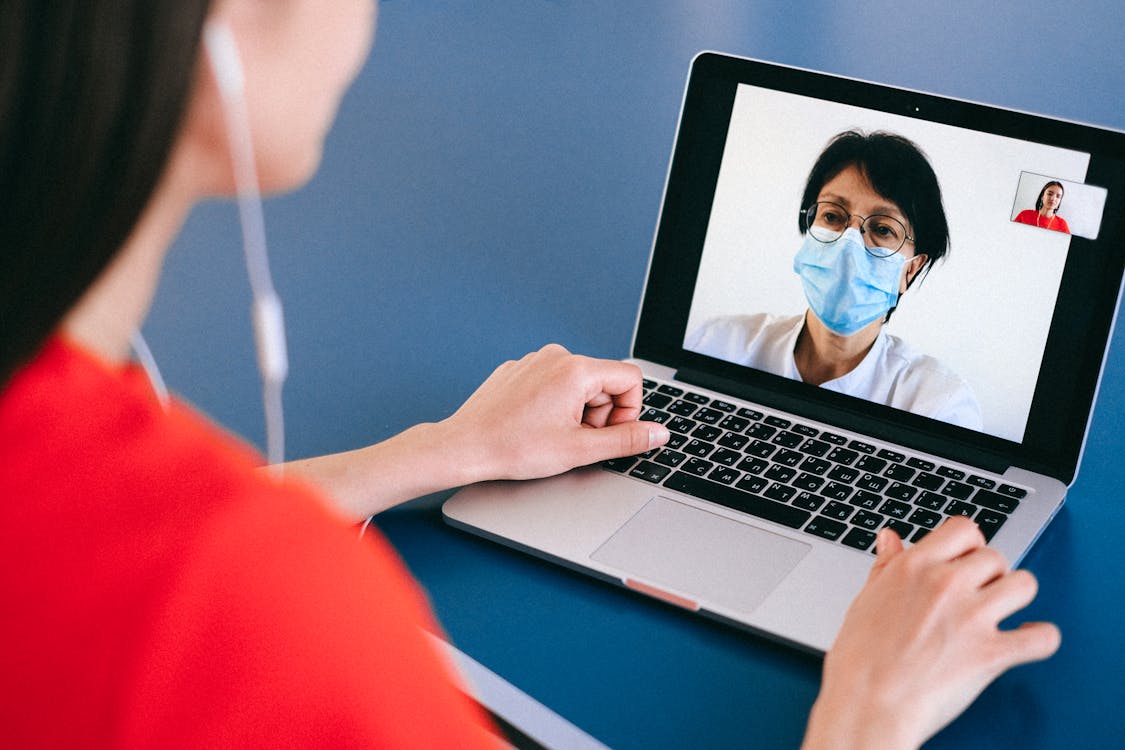
This is where the most encouraging momentum is building. Digital mental health platforms are starting to close gaps that decades of brick and mortar expansion haven’t managed to close, by addressing the barriers above directly:
- Cost, digital and tele therapy sessions can be offered at a fraction of in person rates, with tiered pricing for groups like youth who have the least disposable income.
- Geography, a Kenyan in Kisumu, Garissa, or Kerugoya can speak to a qualified therapist without travelling to Nairobi.
- Privacy and stigma, booking and attending a session from home, away from a community’s watching eyes, lowers the social cost of seeking help.
- Awareness, well designed digital content (assessments, articles, peer support tools) can teach people to recognise symptoms in themselves and people they love, often the first step toward seeking help at all.
- Scale, a single trained counsellor can, through a digital platform, reach far more people than a single physical practice ever could.
“The first time I used an online platform, I almost cancelled because I felt silly. By the end of the session I just felt relieved that I didn’t have to explain myself to anyone at a clinic reception first.”
This is precisely the gap platforms like Convo E Therapy are built to close, combining licensed Kenyan therapists with an accessible, affordable, and private digital experience, including dedicated youth pricing to reach Kenya’s largest and most at risk demographic. For clinicians and institutions working to digitise their own practice, our Doctor’s Bench platform supports the clinical side of that same shift, while Convo Academy trains everyday Kenyans in Psychological First Aid, so support doesn’t have to start with a professional at all.
What This Means Going Forward
Kenya’s mental health story right now is one of momentum colliding with infrastructure gaps. Attitudes are shifting faster than services can scale. That’s a real opportunity, for policy, for community organisations, and for digital innovators, but it also means the next few years matter enormously for whether that openness translates into people actually getting care.
For individuals, the practical takeaway is simple, if you’ve been waiting for a “good enough reason” to seek support, you’re in good company, millions of Kenyans are quietly making the same decision. And increasingly, that support is just a phone screen away.
Ready to talk to someone?
Convo E Therapy connects you with licensed Kenyan therapists, from KSh 1,000 for youth aged 13 to 24, or KSh 2,000 for individual sessions, all from the privacy of your phone.
Book a SessionConvo Africa is a Nairobi based social enterprise working across mental health advocacy, men’s wellness, and youth empowerment. Explore our Convo Academy courses, learn more about Doctor’s Bench for clinicians, or reach us directly at contact@convo.africa or 0724 936 949.


