


Not All Depression
Is the Same.
Your Subtype Matters.
Understanding Type 7: Unfocused Anxiety and Depression — what the brain science says, who it affects, and why getting the right diagnosis changes everything.

If you have ever felt scattered while anxious, unmotivated while depressed, or trapped in an exhausting loop of fog and worry — you are not broken, and you are not alone. Brain-imaging research now tells us that depression has at least seven distinct subtypes, each with its own brain signature and its own treatment path. Type 7 is the one most people have never heard of — and the one most commonly misdiagnosed.
Type 7 at a Glance — Key Facts from Amen Clinics Research
What Is Type 7: Unfocused Anxiety and Depression?
Type 7 is a brain-based subtype of depression in which emotional distress — low mood, anxiety, worry — blends with cognitive symptoms: mental fog, poor concentration, and inconsistent attention. It is the pattern that makes your mind feel too busy and not engaged enough at the same time.
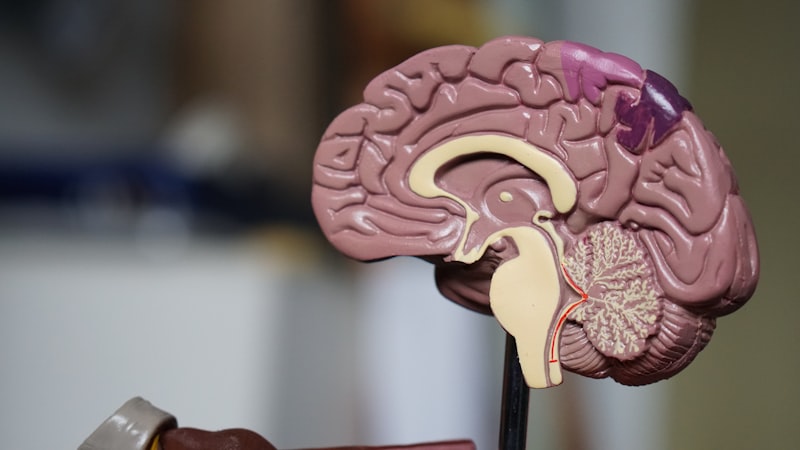
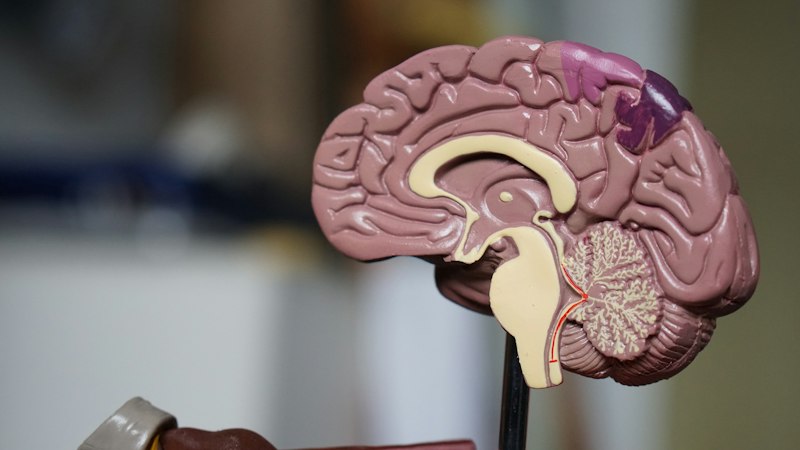
Brain SPECT imaging at Amen Clinics — which measures real-time blood flow in the brain rather than just its anatomy — has consistently revealed that people with Type 7 show both underactivity in the prefrontal cortex (the brain’s command centre for focus and planning) and overactivity in the limbic system (the emotional and threat-response centre). The result is a brain that feels emotionally “stuck on” while cognitively sluggish.

The Symptom Profile: What Type 7 Feels Like
What makes Type 7 distinct is the co-occurrence of emotional and cognitive symptoms. “Unfocused” refers not to personality or willpower, but to inattention, distractibility, mental fatigue, and brain fog — all occurring alongside the emotional weight of anxiety and depression.
- Persistent low mood or loss of interest
- Excessive worry or internal restlessness
- Irritability or emotional overwhelm
- Rumination and looping thoughts
- Feeling easily discouraged or unmotivated
- Inattention or distractibility
- Poor concentration or working memory
- Brain fog, slow processing, forgetfulness
- Trouble prioritising or organising
- Procrastination tied to mental fatigue
- Low follow-through despite good intentions
People with Type 7 often describe themselves as “unfocused because I’m overwhelmed” — not unfocused regardless of mood, which is a key distinction from ADHD. Clinicians typically look for at least four symptoms of anxiety or depression plus at least four symptoms of inattention or cognitive fog before considering this subtype.
Not all depression is the same — and when treatment doesn’t match the underlying brain pattern, progress can stall or symptoms can even worsen. Understanding your subtype is not a luxury. It is a necessity.
— Based on Amen Clinics Research, 2026
The Brain Science Behind Type 7
Unlike structural imaging that shows brain anatomy, SPECT (Single Photon Emission Computed Tomography) measures blood flow activity — effectively a live map of which brain regions are working hard and which are underperforming. Across thousands of scans, three consistent patterns emerge in Type 7:
Brain SPECT imaging at Amen Clinics has now analysed over 250,000 scans from patients in 155 countries. Here is what the data consistently shows for Type 7:

Type 7 vs ADHD vs Standard Depression
Because Type 7 blends emotional and cognitive symptoms, it is frequently misidentified. Up to 30% of adults with depression also meet criteria for attention impairments that can closely mimic ADHD. Here is how to tell them apart:
| Feature | Type 7 Depression | ADHD | Standard Depression |
|---|---|---|---|
| Onset | After stress, trauma, hormonal shifts, or illness | Typically lifelong / childhood pattern | Episodic, linked to life events |
| Inattention pattern | Mood-dependent — worsens with emotional state | Consistent across all moods and situations | Cognitive slowing, not true inattention |
| Self-description | “Unfocused because I’m overwhelmed” | “Unfocused no matter how I feel” | “I just don’t care or feel anything” |
| Brain pattern | Low PFC + overactive limbic system | Low PFC only | Limbic overactivity, variable PFC |
| Stimulant medication risk | May worsen anxiety — caution needed | Generally beneficial | Not typically indicated |
Causes and Risk Factors
Type 7 does not arise from a single cause. It typically develops from a combination of biological vulnerability and environmental stressors — which makes it particularly relevant in the African context, where structural stressors are often chronic and compounding.
Type 7 Is Not…
One of the most important things to understand about Type 7 is what it is not. The symptoms can be easily mislabelled — with serious consequences for treatment and for the person’s self-image.
- Laziness
- Lack of motivation
- “Just” poor focus
- ADHD
- “Just” anxiety or depression
- A character flaw
- Something to push through alone
On the contrary: unfocused anxiety and depression is highly treatable. The right combination of targeted therapies, lifestyle adjustments, and where necessary, medication, can produce meaningful and lasting improvement — once the correct subtype is identified.
Natural and Clinical Support for Type 7
Management of Type 7 involves strategies that simultaneously boost prefrontal cortex activity and calm limbic overactivation. Many of these are accessible, low-cost, and effective even in resource-limited settings:

Convo Africa · Our Commitment
This Is Exactly the Conversation We Are Here to Start
At Convo Africa, we believe that naming an experience is the beginning of healing it. For too long, millions of people across the continent have been living with something very real — and very treatable — without ever having a word for it. Type 7 depression is one of those things.
We are committed to bringing science-backed, culturally grounded conversations about mental health to the grassroots — to communities, schools, families, and individuals who deserve to know that what they are experiencing is not a character flaw. It is a brain health issue. And brain health can improve.
Whether through community dialogues, digital content, or connecting people with qualified care, Convo Africa is in this conversation for the long term — because the gap between what people experience and what they know about their own minds is the gap we exist to close.
Frequently Asked Questions
You Don’t Have to Navigate This Alone
Book a session with a Convo Africa mental health professional, or — if you’re a healthcare provider — discover how DoctorsBench can help you manage your practice and reach more patients.
Sources: Amen Clinics — Type 7: Unfocused Anxiety and Depression | The Lancet | Kenwood et al., Neuropsychopharmacology 2022 | ADDitude Magazine, Dodson 2025


